


Top Tools for Hyperlocal Content Personalization

Top Tools for Hyperlocal Content Personalization
 05-01-2026 (Last modified: 30-04-2026)
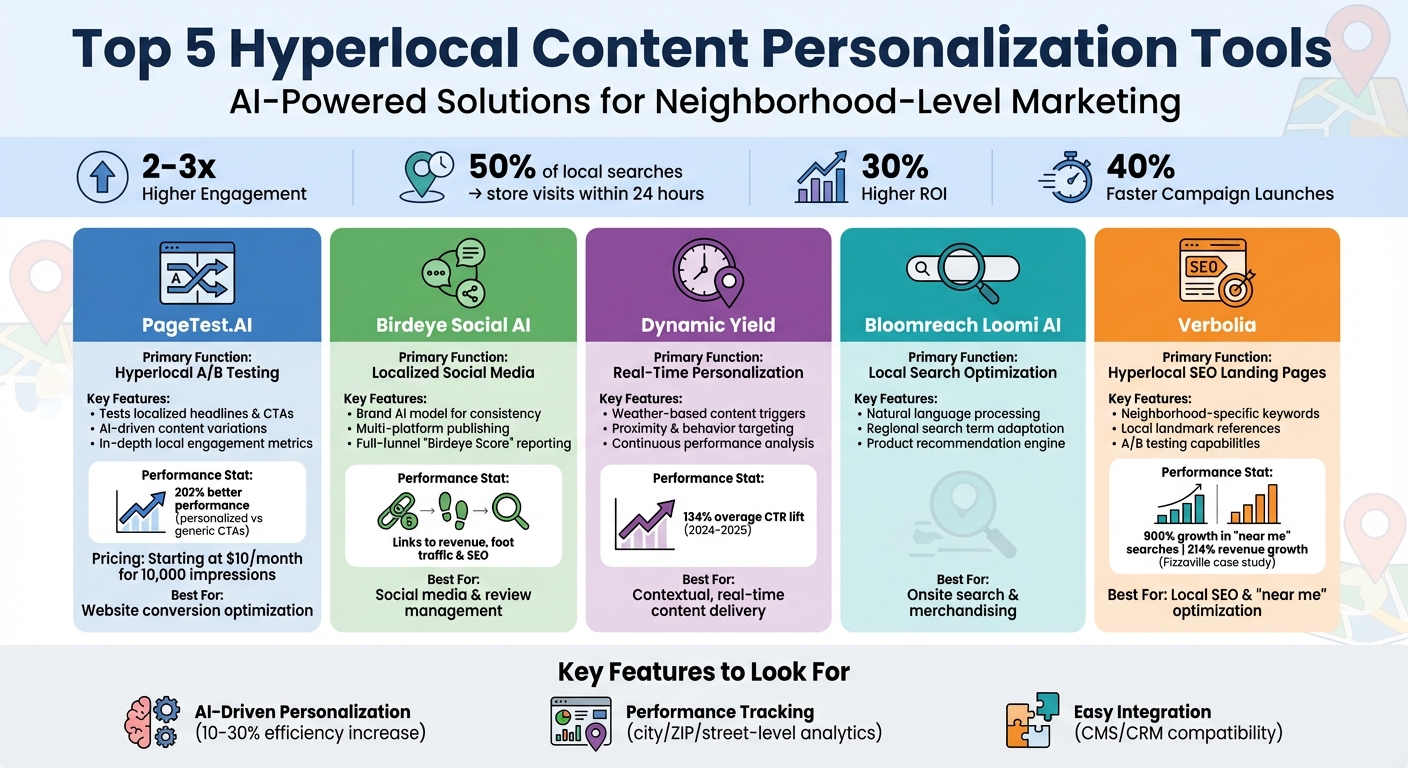
Hyperlocal content personalization is all about tailoring your marketing to specific neighborhoods, zip codes, or even individual blocks. This strategy helps businesses connect with local audiences by referencing nearby landmarks, events, or community traits. It’s not just precise – it works. Campaigns using hyperlocal tactics see 2–3x higher engagement, and 50% of local searches lead to store visits within 24 hours.
AI tools now make this process faster and more efficient by analyzing local data like weather, foot traffic, and search trends. From creating neighborhood-specific landing pages to optimizing social media content, these tools simplify hyperlocal marketing and deliver measurable results, such as 30% higher ROI and 40% faster campaign launches.
Key Tools for Hyperlocal Personalization:
- PageTest.AI: Tests localized headlines and CTAs to increase site conversion rates.
- Birdeye Social AI: Manages hyperlocal social media with tailored content.
- Dynamic Yield: Adjusts content in real-time based on weather or events.
- Bloomreach Loomi AI: Optimizes local search and product recommendations.
- Verbolia: Builds SEO-friendly landing pages for "near me" searches.
By integrating these tools, businesses can deliver precise, location-based experiences that resonate with their audience while tracking performance down to the street level. Hyperlocal strategies are no longer optional – they’re essential for staying competitive in today’s market.
Unlocking Local Intelligence: AI Strategies for Hyperlocal Marketing
Top Tools for Hyperlocal Content Personalization
Top 5 Hyperlocal Content Personalization Tools Comparison
Hyperlocal tools take the guesswork out of targeting specific neighborhoods, turning manual efforts into efficient, data-driven strategies. These platforms combine AI-driven automation with pinpoint local targeting to help businesses connect with customers on a neighborhood level. Here’s a closer look at some standout tools and what they bring to the table.
PageTest.AI for Hyperlocal A/B Testing
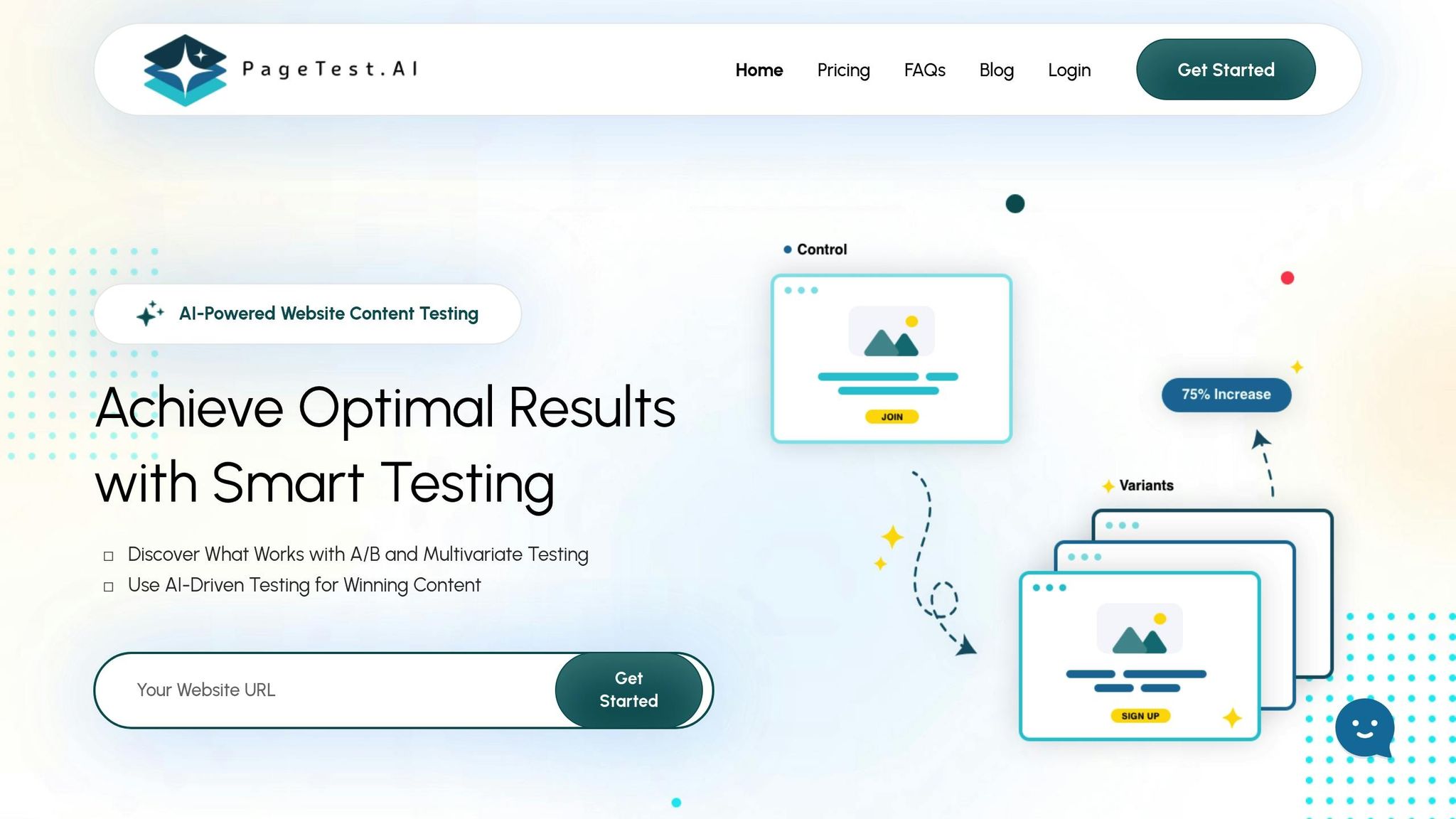
PageTest.AI allows you to create and automatically test local content variations, such as headlines, CTAs, and more, using AI. Want to see if mentioning a local landmark in your headline works better than a generic message? Or if a neighborhood-specific CTA drives more conversions than a city-wide one? This tool makes it easy to find out.
It also provides in-depth metrics to measure local engagement. For example, personalized CTAs have been shown to outperform generic ones by 202%. With seamless integration into platforms like WordPress, Wix, and Shopify, and plans starting at $10 per month for 10,000 test impressions, it’s a cost-effective way to optimize for conversions by tailoring local content.
Now, let’s explore a tool designed to boost your local social media presence.
Birdeye Social AI for Localized Social Media
Birdeye Social AI is built to create, publish, and optimize hyperlocal content across social media, reviews, and messaging platforms. Its "Brand AI" model ensures your brand stays consistent while allowing for local customization. Whether it’s referencing a neighborhood event or a popular local landmark, this tool helps your content feel relevant and connected.
The platform also offers full-funnel reporting through its "Birdeye Score", linking your AI-driven efforts to tangible results like revenue growth, increased foot traffic, and better SEO rankings. This makes it easy to track which hyperlocal social posts are actually driving results – not just likes and comments.
Dynamic Yield for Real-Time Personalization
Dynamic Yield specializes in real-time content adjustments based on user proximity, behavior, and contextual signals like weather or local events. For example, it can promote hot beverages when temperatures dip below 50°F in a specific neighborhood or highlight top-selling products in a particular zip code.
The platform continuously analyzes performance data to identify the best content combinations for each location. Businesses using this kind of AI-powered optimization saw CTR lifts averaging 134% during 2024-2025. It’s a great way to deliver content that feels timely and relevant to local audiences.
Bloomreach Loomi AI for Local Search Optimization

Bloomreach Loomi AI focuses on improving onsite search and product recommendations by tapping into real-time local intent data. Using natural language processing, it can understand and adapt to regional search terms – whether someone in one area searches for "sneakers" or another says "kicks", they’ll find what they’re looking for.
This tool also works seamlessly with broader merchandising strategies, giving you the flexibility to promote seasonal items across the board while tailoring specific products to local preferences. It’s a smart way to balance corporate objectives with community-specific needs.
Verbolia for Hyperlocal SEO Landing Pages
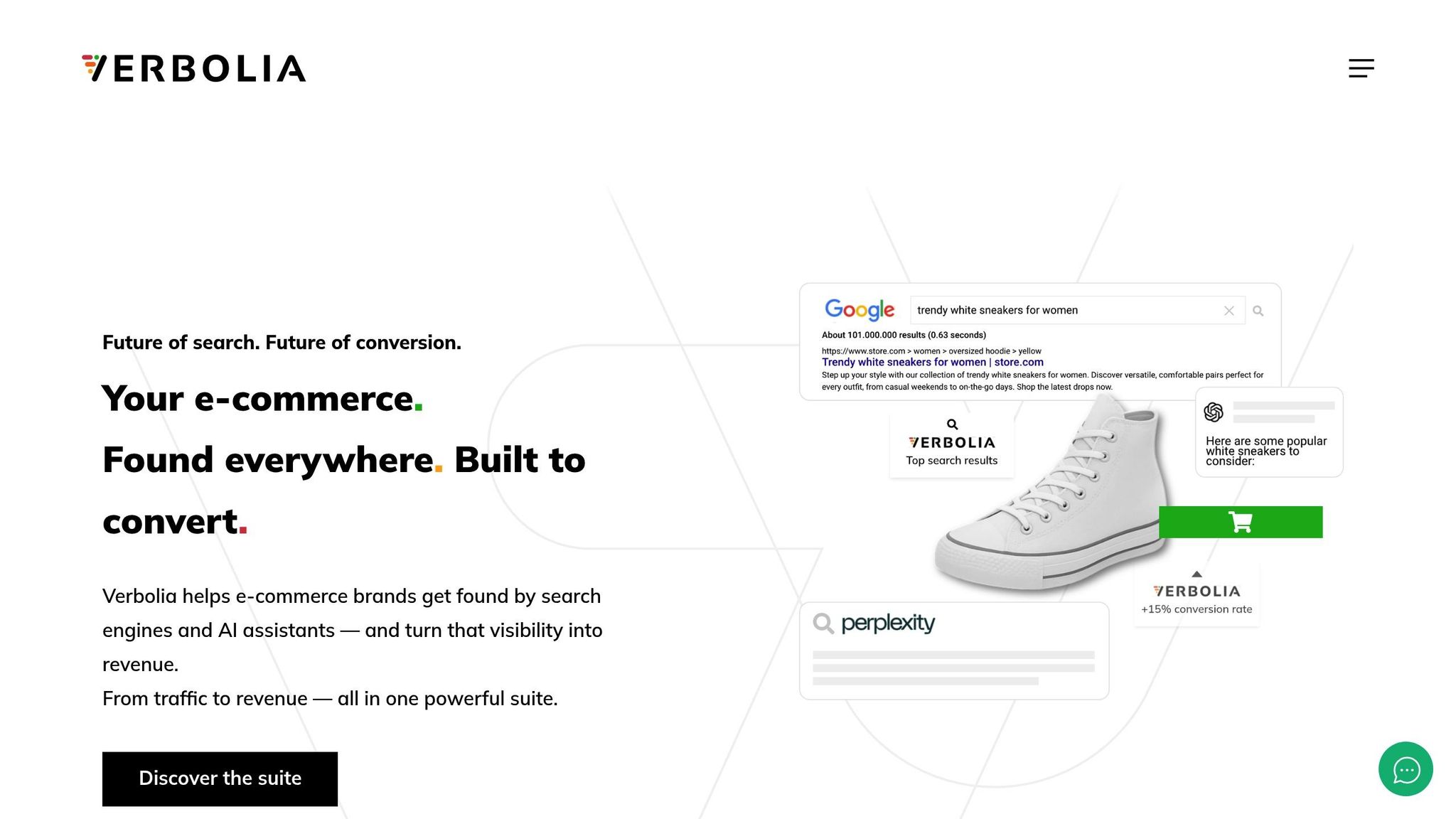
Verbolia makes it easy to create SEO-friendly landing pages tailored to local searches. These pages include neighborhood-specific keywords, references to local landmarks, and even real-time inventory or promotional details. With "near me" searches growing by 900%, having locally optimized pages is more important than ever.
The platform also supports A/B testing, so you can experiment with different messaging approaches and see what drives the most traffic and conversions. Between 2019 and 2024, Pizzaville used similar strategies to achieve 214% revenue growth, proving the long-term benefits of investing in hyperlocal SEO.
sbb-itb-6e49fcd
Key Features to Look for in Hyperlocal Content Tools
AI-Driven Personalization
When it comes to hyperlocal content, the best tools don’t just rely on basic location targeting – they adapt dynamically. These platforms process real-time GPS data, proximity analytics, and movement patterns, allowing them to deliver content tailored to someone’s exact neighborhood or even their proximity to your business. Advanced tools take it a step further by factoring in local weather, time, and events to trigger relevant messaging. Imagine promoting umbrellas during a downpour in a specific ZIP code – this kind of precision makes a big impact.
Machine learning enhances this personalization by analyzing behavioral patterns and historical preferences within specific geographic areas. This predictive capability ensures that the content resonates with users before they even engage. Studies show that such advanced personalization can increase marketing efficiency and revenue by 10–30%. Look for platforms that don’t just translate content but adapt it to reflect the local culture, adjusting headlines, images, and CTAs to better align with the community you’re targeting.
Performance Tracking and Analytics
Effective hyperlocal strategies require detailed performance tracking. The best tools allow you to monitor rankings and search volumes down to the city, ZIP code, or even street level. This granularity helps you assess local visibility, identify competitors, and uncover content gaps – topics your competitors are covering but you might have missed.
Review sentiment analysis is another powerful feature. By analyzing recurring keywords in local feedback, you can refine your website content to better address customer needs. Additionally, tracking mobile versus desktop visibility provides insights into how local customers are discovering your business. The most effective platforms integrate with your CRM, linking hyperlocal content directly to leads and revenue. This connection helps demonstrate the tangible value of your localized strategies. With such precise analytics, you can seamlessly integrate insights across your entire marketing ecosystem.
Ease of Integration and Usability
For hyperlocal campaigns to run smoothly, tools must integrate easily with your existing CMS and CRM. This integration ensures you can tie content performance directly to revenue, making it easier to manage campaigns efficiently. Tools with no-code functionality are particularly useful, as they allow marketing and creative teams to execute campaigns without relying on IT support or navigating complex systems.
Real-time editor feedback can streamline workflows significantly. For instance, browser extensions or plug-ins for platforms like Google Docs and WordPress can provide SEO and personalization scores as you draft, saving time and keeping optimization efforts on track. For businesses with multiple locations, bulk management features – such as syncing listings across directories or uploading inventory in one go – reduce manual effort. Additionally, a unified dashboard that consolidates cross-channel marketing (SMS, email, social media, and web) simplifies reporting and helps you identify what’s truly driving results.
| Tool Category | Key Usability Feature | Integration Priority |
|---|---|---|
| CMS/Editor | Real-time scoring & NLP suggestions | WordPress, Google Docs, Shopify |
| Local SEO | Bulk citation & listing sync | Google Business Profile, Apple Maps |
| Analytics | Unified lead & revenue tracking | CRM (HubSpot, Salesforce), GA4 |
| Personalization | Ready-to-use templates | Cross-channel (SMS, Email, Web) |
"The content optimization tools that deliver ROI are the ones teams actually use consistently." – HubSpot
Conclusion
Choosing the Right Tools
Hyperlocal personalization isn’t just a buzzword – it delivers real, measurable outcomes. For instance, AI-powered hyperlocal strategies can lead to campaign launches that are 40% quicker, a 30% boost in ROI, and engagement rates six times higher than generic approaches. These results underline the importance of selecting tools that can handle local nuances effectively.
The best platform for your business depends on your unique challenges. If your focus is on improving website conversion rates, PageTest.AI might be the solution, offering no-code testing tailored for local content adjustments like headlines, CTAs, and product descriptions. On the other hand, businesses managing multiple locations can benefit from automation, saving up to 96 minutes daily by simplifying workflows.
Start by defining your objectives. Whether you’re aiming to enhance "near me" search visibility, tailor email campaigns to specific neighborhoods, or adjust website content for local weather and events, clarity on your goals is essential. Look for tools that integrate smoothly with your existing CMS and CRM systems, enabling you to track performance effectively. Platforms with AI-driven personalization use real-time data and contextual signals to deliver content that resonates.
Once you’ve chosen the right tools, testing becomes critical. Launch pilot programs and monitor key metrics like time-to-lead, form completions, and engagement rates to gauge your ROI. Keep in mind that 71% of consumers expect personalized experiences, and 76% feel frustrated when those expectations aren’t met.
FAQs
How can hyperlocal content personalization tools boost audience engagement?
Hyperlocal content personalization tools take user engagement to the next level by customizing content based on a visitor’s exact location, preferences, and current context. They use data like geographic location, device type, and browsing habits to serve up messaging that feels spot-on and timely.
Swapping out generic content for personalized experiences can make a big difference. Visitors are more likely to click on headlines, respond to calls-to-action, and engage with other elements. The result? Higher click-through rates, better user interaction, and a deeper connection with your audience.
What are the advantages of using AI for hyperlocal marketing?
AI is transforming hyperlocal marketing by using real-time data – like zip codes, browsing habits, and even the time of day – to craft highly personalized content. Businesses can fine-tune headlines, calls-to-action (CTAs), and product descriptions to align with local events, cultural nuances, or even the weather. This level of customization creates a more engaging experience, leading to higher click-through and conversion rates.
It doesn’t stop there. AI takes over repetitive tasks, such as writing and testing localized content. By generating multiple versions of copy and running quick A/B or multivariate tests, AI identifies the top-performing options in record time. This not only cuts costs but also speeds up decision-making, ensuring your messaging resonates with specific neighborhoods or communities.
On top of that, AI-powered tools enhance local SEO by spotting emerging keyword trends and offering suggestions for content improvements. This helps your hyperlocal pages rank higher on search engines and other platforms, boosting visibility and return on investment (ROI) while building stronger ties with local audiences.
How can businesses evaluate the success of hyperlocal marketing campaigns?
Businesses can measure the effectiveness of hyperlocal campaigns by using analytics tools that deliver detailed insights specific to each location. These tools track essential metrics like website traffic, keyword performance, conversion rates, engagement levels, and sales within the targeted areas.
By diving into this data, companies can pinpoint which geographic regions are thriving and adjust their strategies accordingly. Using these insights helps fine-tune campaigns to align with the unique preferences of local audiences, ultimately leading to stronger outcomes.
Related Blog Posts
say hello to easy Content Testing
try PageTest.AI tool for free
Start making the most of your websites traffic and optimize your content and CTAs.
Related Posts

30-03-2026
 Ian Naylor
How Internal Links Boost Conversions
Strategic internal links guide users, improve SEO, and turn site navigation into measurable conversion growth.

28-03-2026
Ian Naylor
Core Web Vitals Benchmarks by Industry
Industry Core Web Vitals benchmarks and practical fixes for LCP, INP, and CLS, plus mobile vs desktop gaps and optimization tips.

26-03-2026
Ian Naylor
How to Benchmark Mobile Retention Rates
Benchmark Day 1/7/30 retention, run cohort analysis, and optimize onboarding, habit triggers, and personalization to improve app retention.