


AI Tools for Multilingual Keyword Research

AI Tools for Multilingual Keyword Research
 03-01-2026 (Last modified: 09-01-2026)
Expanding globally requires more than just translating your website. Search behavior varies by region, and without proper multilingual keyword research, your content might fail to appear in local search results. AI tools simplify this process by automating translation, keyword research, and SEO, helping businesses tailor their strategies for over 173 languages. Here’s what you need to know:
- Why It Matters: 76% of users prefer content in their native language, and localized keywords improve visibility in search results.
- Top Tools: Platforms like Semrush, Mangools, and Clearscope offer features like keyword translation, search intent analysis, and regional insights.
- Key Features to Look For: Language support, translation accuracy, integration with existing workflows, and scalability are critical for success.
- Costs: Tools range from free options like Google Keyword Planner to premium platforms like Ahrefs and Semrush, starting at $99/month.
Choosing the right tool depends on your goals, budget, and target markets. AI-driven platforms can save time and improve the accuracy of your multilingual SEO efforts, but human oversight remains essential for quality.
Keyword Research Across Languages: Localizing for International SEO
Best AI Tools for Multilingual Keyword Research
AI tools are reshaping international SEO by offering innovative ways to tackle multilingual keyword research. Some tools focus on delivering vast data sets, while others prioritize tailoring strategies to fit regional nuances. Here’s a breakdown of some of the top tools and what makes them stand out.
Semrush

Semrush boasts an impressive database of 27.4 billion keywords across 142 geo-specific databases. Its Personalized Keyword Difficulty (PKD) metric and intent analysis are designed to align your content with local search habits. By categorizing keywords based on user intent – whether informational, navigational, commercial, or transactional – it helps you connect with your audience more effectively.
Semrush has delivered impressive results for its users. For example, Arkadium saw a 230% boost in organic traffic, while Landbot achieved a sevenfold increase in traffic. Beyond keyword insights, the platform also tracks competitor ad strategies and regional CPC trends, giving you a well-rounded view of the market.
Mangools
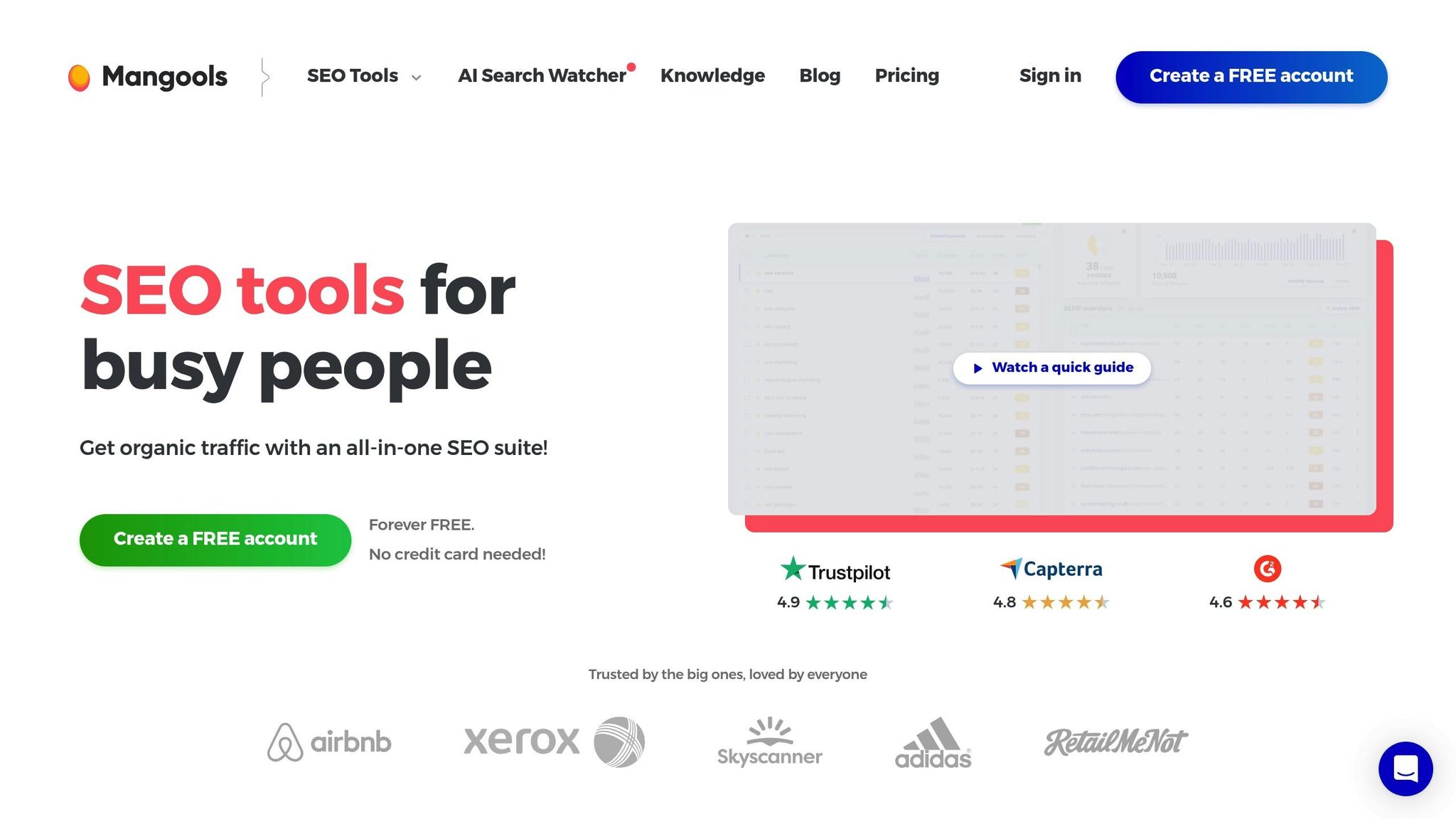
Mangools simplifies multilingual keyword research by offering tools that translate keyword lists and analyze regional search patterns. This makes it easier to adapt your keyword strategy to align with the preferences of local audiences. Its features are particularly useful for identifying search behaviors that resonate with native users, ensuring your content feels more relatable.
MarketMuse
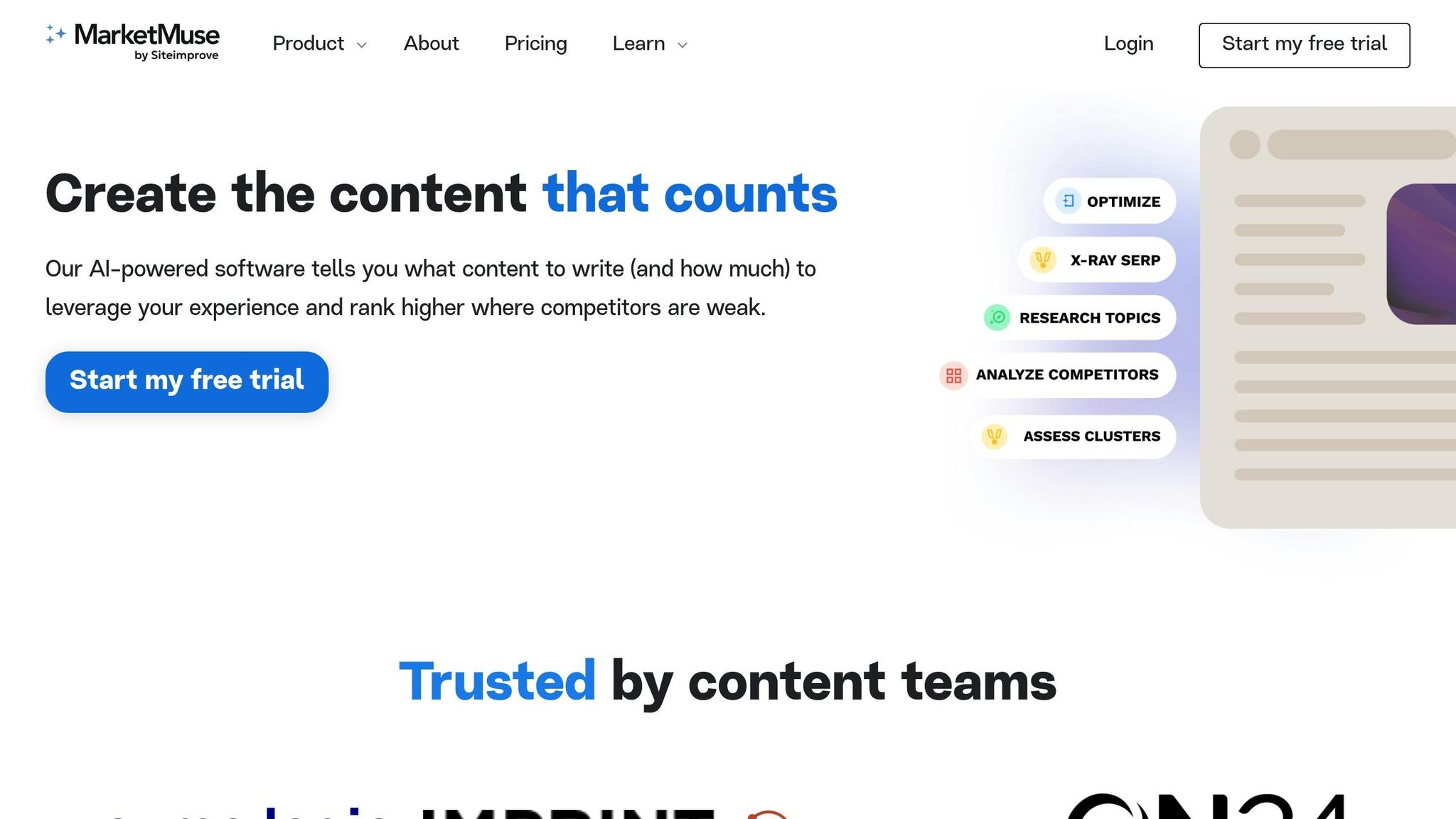
MarketMuse uses advanced AI topic modeling to take content analysis to the next level. Instead of relying on basic keyword correlations, it evaluates hundreds or even thousands of pages on a given topic. This helps uncover content gaps and identify high-value topic clusters. The platform also assigns difficulty scores tailored to your domain’s authority, making it easier to prioritize opportunities. By leveraging proprietary data, MarketMuse provides a deeper understanding of semantic relationships between topics, helping you create content that stands out.
Pangeanic
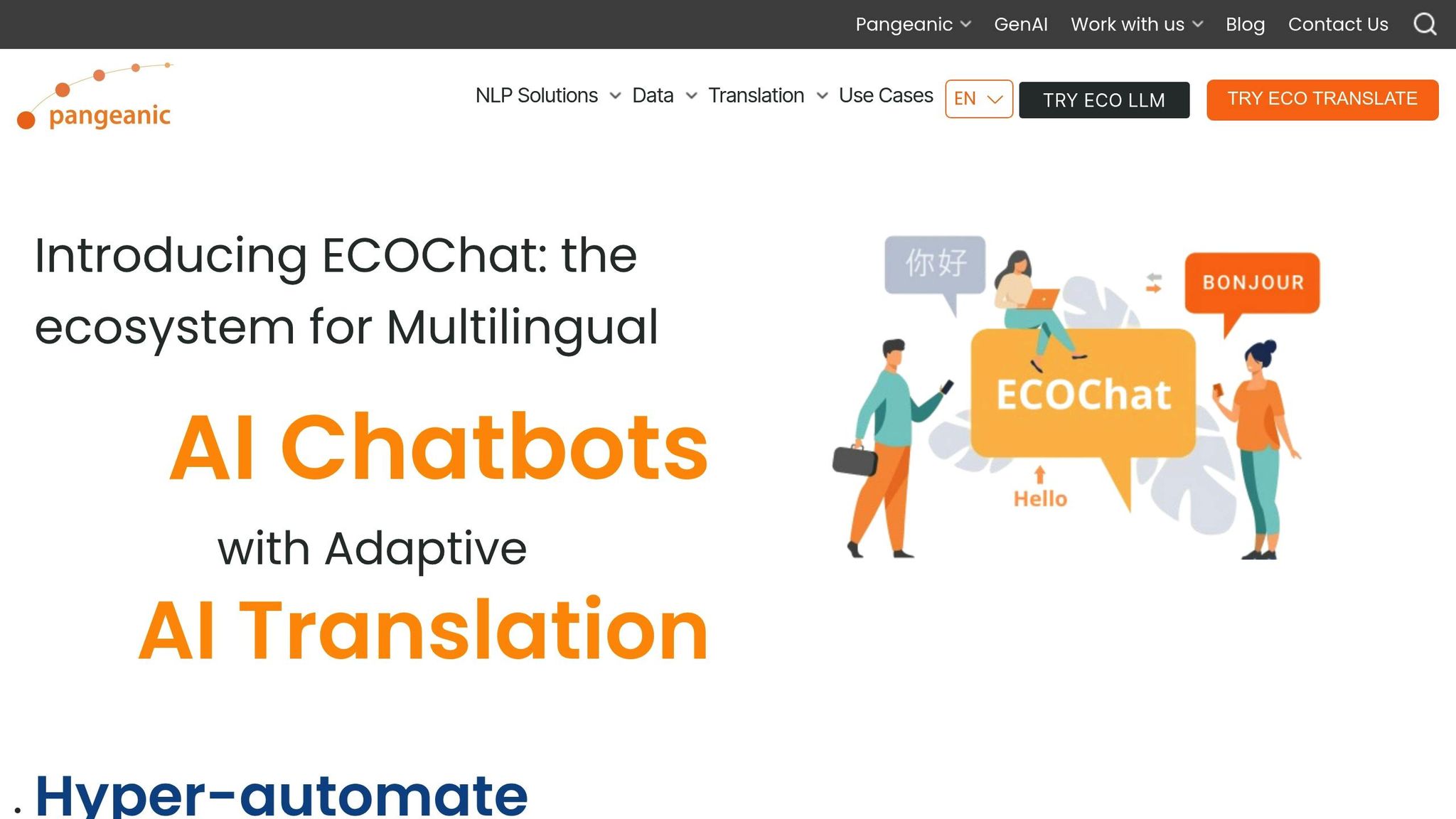
Pangeanic focuses on multilingual keyword localization, going beyond simple translations. It maps web pages to localized search queries and uses glossaries to maintain precision, especially for technical terms. This ensures consistency across markets. What sets Pangeanic apart is its human-in-the-loop quality assurance process, where linguists review AI-generated drafts to ensure they strike the right tone and fit the local culture.
Clearscope
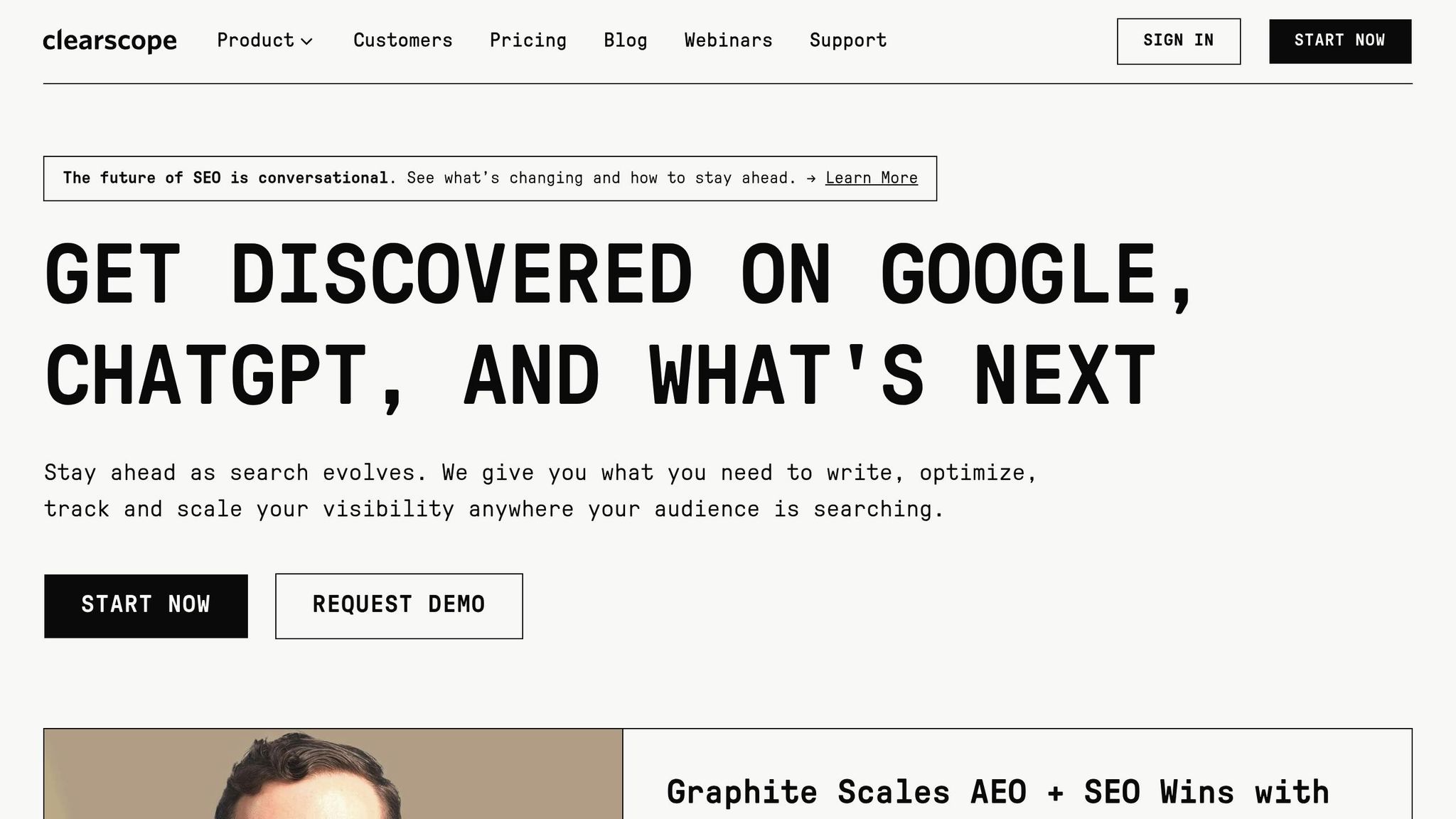
Clearscope, priced at $189 per month, is designed to optimize your content for regional search intent. As search engines evolve with AI, Clearscope provides actionable recommendations to enhance your content’s performance. Evelina Milenova, SEO and Growth Manager at Opinion Stage, shared her experience with AI-powered tools:
“LLMs like ChatGPT provide generic advice that doesn’t consider what’s already on the page. But Chatsonic identified real areas for improvement and concrete suggestions – it felt like collaborating with another SEO expert on the team!”
Each of these tools offers unique strengths, helping you navigate the complexities of multilingual keyword research and adapt your SEO strategy for global success.
How to Choose Multilingual Keyword Research Tools
Language Support and Translation Accuracy
Make sure the tool covers your target regions and dialects. Regional nuance is key because search habits can differ greatly, even among countries that speak the same language. For instance, Spanish speakers in Mexico often use different search terms than those in Spain. A good tool should allow you to filter by country or even city to capture these local variations effectively.
Translation alone won’t cut it. You need tools with localization features that go beyond simple word-for-word translation. These tools should include glossaries and terminology management to ensure consistency for brand names or technical terms across different markets. This level of precision helps align your content with regional search intent. For example, Ahrefs offers translation for keyword lists in over 40 languages and dialects, while also providing detailed metrics for each market.
It’s also important to validate AI-generated keywords with native speakers. What works in one region might feel off in another. Additionally, the tool should analyze search intent across different cultures, as the reasons behind searches can vary significantly depending on local customs and economic conditions.
Integration with Existing SEO Workflows
The right tools should simplify your workflow by integrating seamlessly with your existing systems. Compatibility with CMS platforms like WordPress, Webflow, or Shopify, and communication tools like Slack, can save you time and reduce mistakes. These integrations are crucial for efficient international SEO. Marco Schlauri from AirOps emphasizes this ease of use:
“We love how easy AirOps is. No coding, no API juggling or maintaining a tool stack. It’s just one intuitive platform with seamless integrations…”
Another valuable feature is real-time optimization. Tools like Surfer SEO provide live SEO scoring and keyword suggestions as you write, ensuring multilingual terms are implemented correctly during content creation. When connected to Google Search Console or Google Analytics 4, these tools can offer personalized keyword difficulty scores based on your domain’s actual authority and traffic, making them far more accurate than generic metrics.
Some tools even support direct CMS deployment, enabling you to publish optimized multilingual content immediately after creation. Features like internal linking suggestions, based on your site’s topical structure, can further improve the crawlability of new multilingual pages.
Scalability and Pricing
Consider whether the tool fits your budget and can grow with your business. Free options like Google Keyword Planner provide basic regional insights, but advanced multilingual analysis often requires a paid subscription. Some platforms bundle multiple tools – SEO, PPC, and social media – into one package, which can be more affordable than juggling separate subscriptions. Brian Dean, Founder of Backlinko, highlights this value:
“When it comes to pure value, Semrush wins. That’s mostly because you get a fully-featured SEO software suite AND Google Ads software for the same monthly price.”
Think about database size and bulk-processing capabilities, especially if you’re managing research across multiple markets. For smaller teams, automation is a game-changer. Fabrizio Ballarini from Wise shared how automation made a difference for their lean team:
“Our content team… runs activities with Semrush without having an army of people specialized in SEO.”
Some tools allow bulk analysis of up to 100 keywords at once, making it easier to streamline research for various regions. Most platforms offer 7-day free trials, so you can test their features before committing. Pricing can vary widely: KeySearch starts at $24/month, while more comprehensive tools like Semrush and Ahrefs range from $129 to $449/month, depending on the features included.
Take the time to compare features across tools to find the best fit for your multilingual SEO needs.
sbb-itb-6e49fcd
Feature Comparison: Multilingual Keyword Research Tools
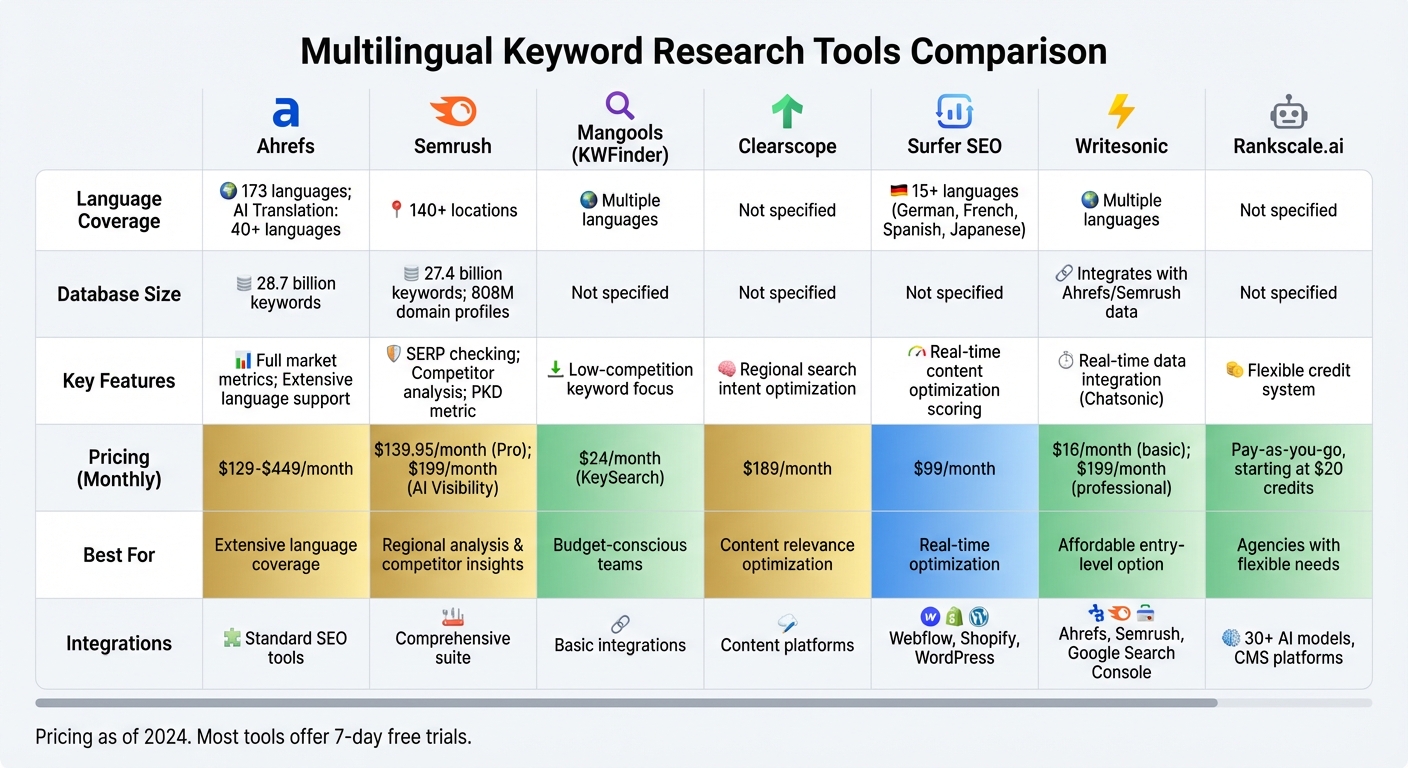
Multilingual Keyword Research Tools: Features and Pricing Comparison
With so many tools available, choosing the right one for multilingual keyword research can be tricky. Here’s a breakdown of key features and pricing to help you navigate your options.
Ahrefs stands out for its extensive language coverage. It generates keyword ideas in over 173 languages and includes an AI Translations tool that converts keyword lists into 40+ languages while providing full market metrics. Its vast database contains a staggering 28.7 billion keywords.
Semrush, on the other hand, shines in regional analysis. It offers SERP checking and keyword tracking across 140+ locations and boasts data from 808 million domain profiles for competitor insights. Pricing starts at $139.95 per month for the Pro plan (annual billing), while the AI Visibility Toolkit plan is priced at $199 per month.
For budget-conscious teams, KWFinder by Mangools is a great choice. It focuses on identifying low-competition keywords across multiple languages, making it perfect for businesses expanding into new international markets. Writesonic offers an affordable entry-level plan at $16 per month, while professional features, including GEO data, are available for $199 per month. Clearscope, priced at $189 per month, prioritizes content relevance and regional search intent optimization.
When it comes to integrations, Writesonic’s Chatsonic pulls real-time data from Ahrefs, Semrush, and Google Search Console. AirOps connects with over 30 AI models and integrates seamlessly with platforms like Webflow, Shopify, and WordPress. However, its Scale and Agency plans require custom pricing. Surfer SEO, starting at $99 per month, supports 15+ languages (including German, French, Spanish, and Japanese) and provides real-time content optimization scoring.
For teams looking for flexibility, Rankscale.ai offers a pay-as-you-go model starting at $20 in credits. This approach is ideal for agencies managing specific multilingual projects without committing to monthly subscriptions. Yamon Y., Senior Content Marketing Manager at Whatagraph, shares:
“Rankscale operates on a pay-as-you-go, credit-based model, which makes it super flexible for agencies. You don’t have to buy a monthly subscription… You just top-up your credits as you go”.
Whether you’re prioritizing language coverage, regional insights, or budget-friendly options, there’s a tool tailored to your needs.
Conclusion
Effective multilingual keyword research relies on choosing tools that align with your specific business goals. The most expensive option isn’t always the best fit – it’s about finding tools with features that meet your needs. For businesses expanding into new markets, tools that account for regional dialects and offer precise local metrics are essential. These capabilities help you navigate the regional nuances discussed earlier.
Scalability is equally important. Agencies juggling multiple clients often benefit from flexible pricing models, like Rankscale.ai’s credit system starting at $20. For enterprises, platforms such as Semrush, priced at $139.95/month, provide a full suite of features, from competitor analysis to technical SEO automation. As Aleyda Solis, an International SEO Consultant at Orainti, wisely notes:
“Tools are not meant to replace you, but to support you, so do your own analysis, test everything and validate frequently, using your brain”.
Look for tools that integrate easily with your CMS to streamline your workflow. Generative AI is now used by more than 75% of organizations for translation and localization, but human oversight remains critical to ensure quality.
When evaluating tools, focus on language coverage, regional filtering, and cost-effectiveness. The right tool should make multilingual SEO simpler, not more complicated. By aligning your tool selection with these factors, you can build a solid foundation for international SEO success.
FAQs
How can AI tools enhance multilingual keyword research?
AI tools have transformed multilingual keyword research by sifting through massive datasets in various languages to pinpoint valuable keywords and uncover search intent. These tools go beyond what native speakers might catch, identifying overlooked terms, grouping related phrases, and adjusting for regional spelling differences and local nuances. This leads to keyword suggestions that are both accurate and relevant.
With the help of machine learning and real-time data analysis, AI platforms minimize errors that often come with manual translations or limited local knowledge. They also reveal regional search patterns, enabling marketers to craft content that resonates with specific audiences and refine their SEO strategies for different markets. The outcome? A sharper, more efficient, and data-driven method for keyword research.
What should I look for in a multilingual keyword research tool?
When selecting a multilingual keyword research tool, it’s essential to focus on language and regional coverage. The tool should be capable of addressing language subtleties, regional differences, and the specific search engines used in different markets. This ensures you get precise insights into search volume and user intent tailored to each locale.
Pay attention to data accuracy and depth as well. A dependable tool should provide regularly updated keyword databases, competitor analysis, and metrics like ranking difficulty. Combining AI-driven recommendations with language-specific validation can make the process smoother without compromising on precision.
Finally, think about ease of use and compatibility. Features like user-friendly interfaces, support for multiple platforms (such as Google, YouTube, and Amazon), and seamless integration with your current SEO tools can make a big difference. Additionally, cost-effectiveness and access to support in local languages can add even more value to your choice.
Why is human input crucial for AI-powered multilingual SEO?
AI tools are undeniably powerful, especially when it comes to generating translations and keyword suggestions in record time. However, they often fall short in capturing the subtleties of language, local customs, and intent. For example, AI might misinterpret idioms, overlook cultural preferences, or even miss legal nuances. The result? Content that can feel awkward, out of place, or even inappropriate for the target audience.
This is where native speakers and SEO professionals step in. Their expertise ensures that AI-generated content resonates with the local audience. They can fine-tune phrasing to reflect everyday language, verify search intent, and catch critical errors that might jeopardize your search rankings or damage your brand’s reputation. With human oversight, you can ensure your multilingual SEO strategy stays accurate, culturally sensitive, and aligned with your business objectives.
Related Blog Posts
say hello to easy Content Testing
try PageTest.AI tool for free
Start making the most of your websites traffic and optimize your content and CTAs.
Related Posts

31-08-2026
 Becky Halls
Spiralyze alternatives: CRO agency or software in 2026?
Spiralyze makes an offer that’s hard to argue with. “30% lift in 90 days. No fee until we deliver.” More precisely: 10 tests, 3 wins, more than 30% lift in your first 90 days, and you pay nothing until they’ve done it. I’ll say plainly what most competitor pages wouldn’t. On risk alone, that’s a better offer than […]

31-08-2026
Becky Halls
AB Tasty alternatives: an honest comparison for 2026
AB Tasty is a strong platform with a well-liked support team, sitting at 4.4 on G2 across 418 reviews. Reviewers on TrustRadius describe it as better value than pricier AB Tasty alternatives, which in this category is a real compliment. It also has the most unusual buying process here. No published pricing, and no free […]

31-08-2026
Becky Halls
The best Optimizely alternative: a comparison for 2026
Optimizely is the most capable experimentation platform on the market. I don’t think that’s seriously disputed. Server-side testing, feature flags, personalization, statistical depth, and it all runs at genuine enterprise scale. In 2026 they’ve wrapped the whole thing in “agentic experimentation” branding and shipped an AI variation development agent, and the underlying Web Experimentation product […]